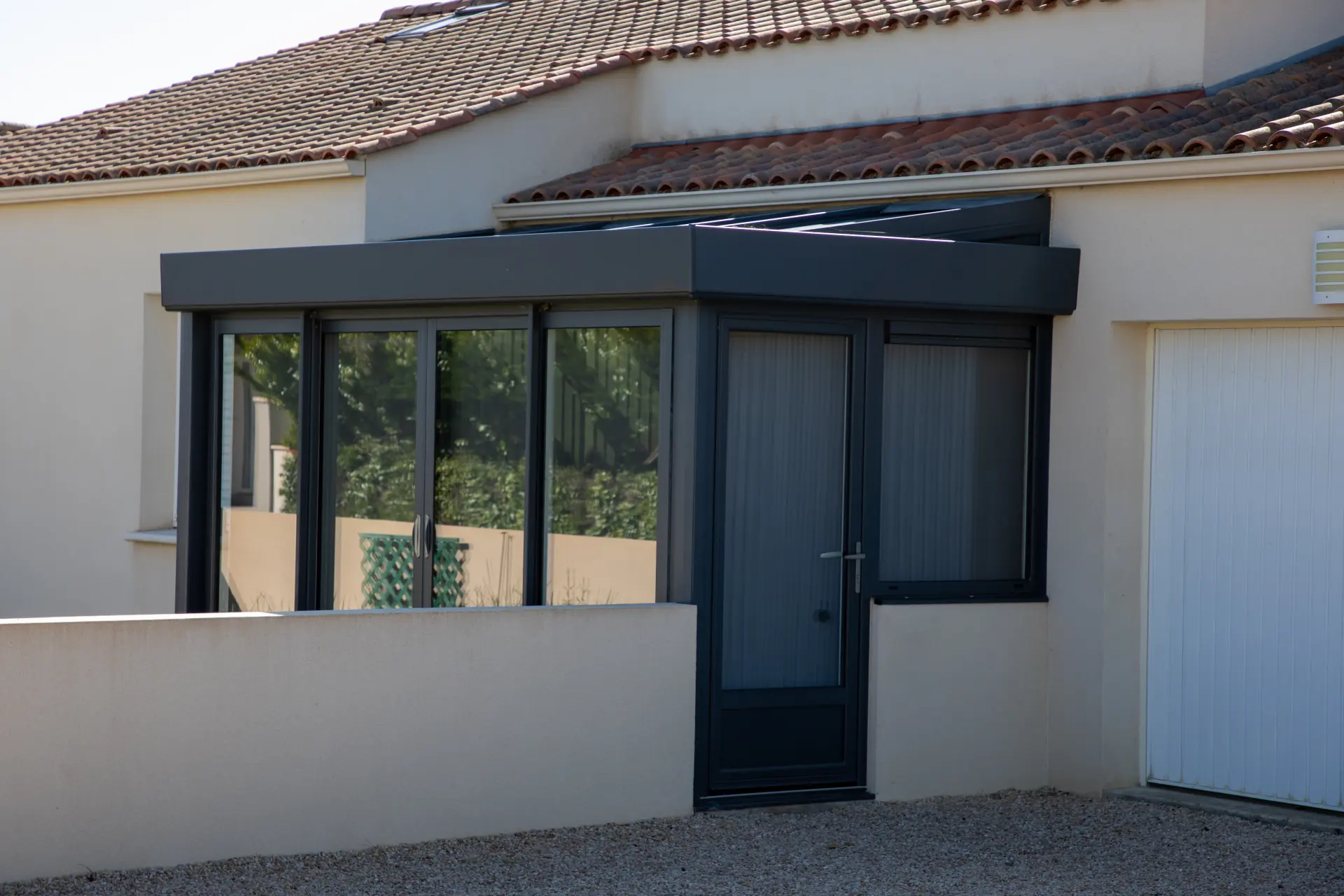
Do I need planning permission for my extension? Find out when consent is necessary and how to navigate permitted development rules for your home project.
What Is Permitted Development?
Permitted development rights are rules that allow homeowners to make certain changes to their property without needing full planning permission. These rights cover many common types of extensions and alterations. The idea is to speed up the process for improvements that have little impact on neighbours or the local area.
Examples include small rear extensions, loft conversions, and some garage conversions. However, the work must follow specific size, height, and design rules. If the project breaks any of these limits, planning permission will usually be required. It is always important to check with your local council or use the government’s Planning Portal to confirm whether your plans fall under permitted development before starting any work.
Types of Extensions That May Not Need Permission
Many home extensions can be built without needing planning permission, as long as they fall within permitted development rights. This can save time and money, but strict rules must be followed.
A single-storey rear extension is often allowed if it does not extend more than 3 metres from the original rear wall for a semi-detached or terraced house, or 4 metres for a detached house. The extension must also not be higher than 4 metres, and materials should match the existing property as much as possible.
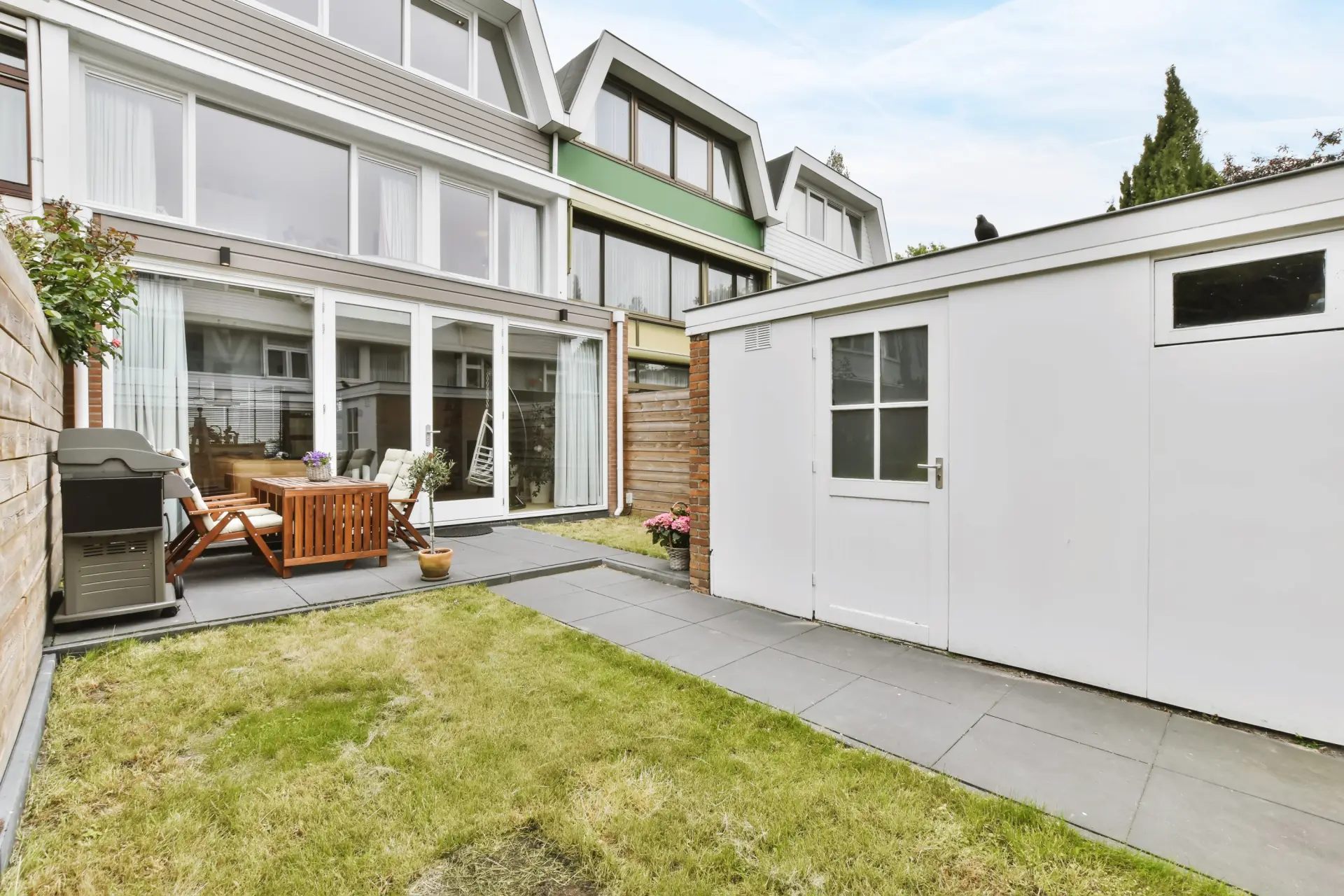
Loft conversions may not need permission if the increase in roof space is under 40 cubic metres for terraced houses or 50 cubic metres for detached and semi-detached homes. Roof extensions should not overhang the outer face of the wall.
Side extensions are allowed if they are single-storey, do not exceed 4 metres in height, and are no wider than half the width of the original house.
Porches, outbuildings, and some conservatories may also fall under permitted development. It is important to check current guidance before starting, as rules can vary depending on location and property type.
When Planning Permission Is Likely to Be Needed
Planning permission is usually required for larger or more complex home extensions. For example, if your extension goes beyond the permitted size limits or changes the front of your home, you will likely need approval. Multi-storey extensions, works near a boundary, and changes to the roof shape may also require permission.
You will also need permission if your property has already been extended beyond the allowed limit under permitted development rules. Always check with your local council, especially for projects that may affect neighbours, the street view, or protected areas.
Special Rules for Flats, Listed Buildings, and Conservation Areas
Permitted development rights do not usually apply to flats. This means that almost any extension or major alteration to a flat will need full planning permission. This is because flats are part of a larger building and changes can affect others in the same block.
Listed buildings are protected due to their historical or architectural value. Any extension, even small, will need both planning permission and listed building consent. This applies to both internal and external changes. Making alterations without the proper consent is a criminal offence and can lead to prosecution.
Conservation areas have extra rules to protect the character of the area. In these areas, permitted development rights are often more limited. For example, you may need permission to change windows, doors, or roofs—even if it would normally be allowed elsewhere.
In some cases, local councils issue Article 4 Directions, which remove certain permitted rights in conservation areas. Always check with your local authority to find out what restrictions apply before starting any work.
How to Apply for Planning Permission
To apply for planning permission, you will need to submit an application to your local council. This is usually done online through the Planning Portal. You must include detailed drawings of the proposed extension, along with information about materials and the surrounding area.
There is a fee for most applications. Once submitted, the council will review the plans and may consult neighbours or other organisations. A decision is typically made within 8 weeks. If refused, you have the right to appeal or make changes and reapply.
Always seek advice from a professional or your local planning office before applying.
We provide high-quality home extensions in Croydon. From single to double-storey extensions, we deliver reliable services that can enhance your home’s value, space, and overall appeal.